

Staring at a cluttered room, feeling completely frozen about where to start? You’re not alone. That overwhelming feeling when every item seems to whisper “but what if I need this someday?” is called decision paralysis, and it’s the #1 reason most decluttering attempts fail before they even begin.
Here’s the truth: you don’t need to make perfect decisions. You just need a system that removes the guesswork and gets you moving. The 5-step method below has helped thousands break through that mental block and finally create the organized, peaceful home they’ve been dreaming about.
Why Traditional Decluttering Advice Fails
Most decluttering guides tell you to “just decide” or “be ruthless,” but they ignore the psychological reality. When you’re surrounded by stuff, your brain gets overwhelmed trying to process every single item individually. It’s not laziness: it’s cognitive overload.
The solution? Remove the need to make individual decisions by creating a systematic process that does the thinking for you.

The 5-Step Decluttering Method That Eliminates Decision Paralysis
Step 1: Remove Everything From The Area
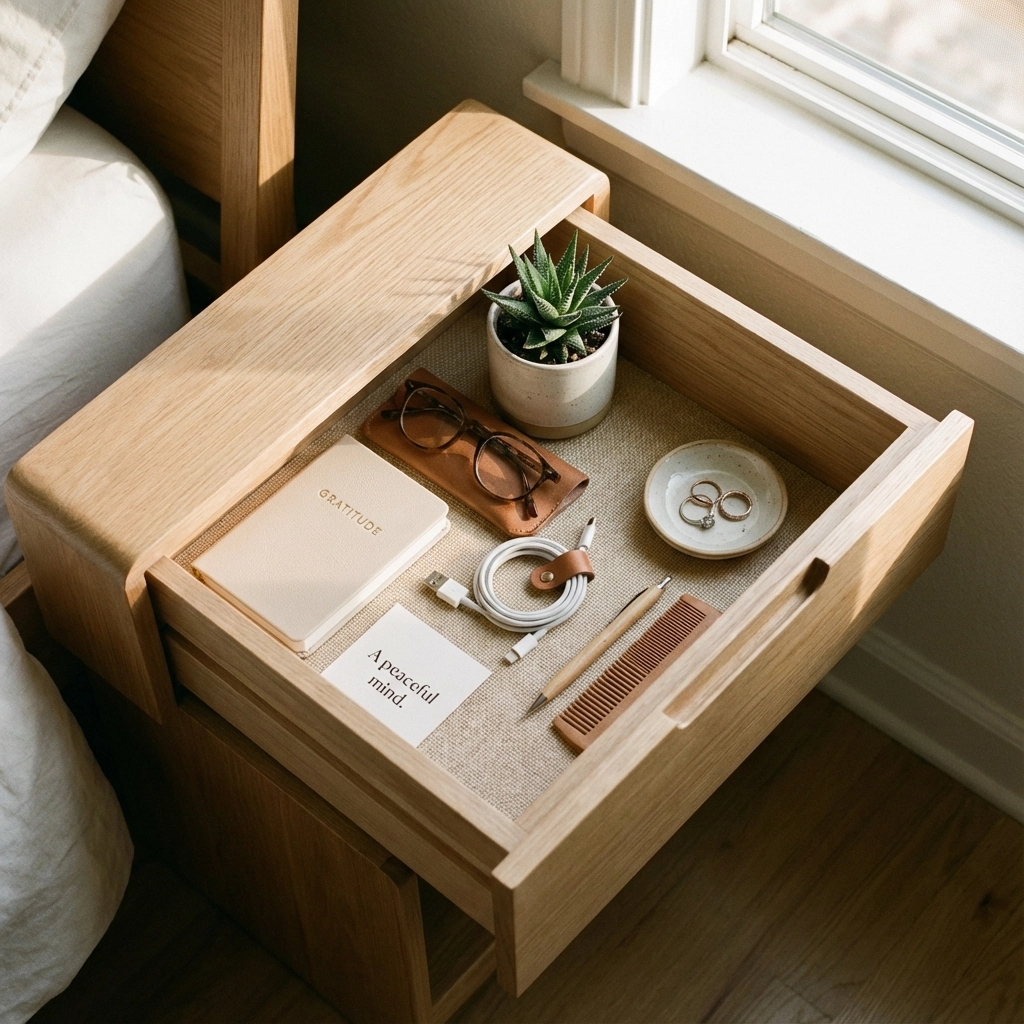
Start small: pick one drawer, one shelf, or one category like books. Take every single item out and place it in a central location. Don’t skip this step even if it feels unnecessary.
Why this works: When items are scattered in their “homes,” your brain sees them as belonging there. Removing everything creates a clean slate and forces you to consciously choose what deserves to return.
Pro tip: Take a “before” photo of the empty space. You’ll be amazed how much you were cramming into that area.
Step 2: Decide What You Want to Discard
Here’s where you get decisive. Grab a trash bag and immediately throw away anything that’s:
- Broken beyond reasonable repair
- Expired (food, medications, makeup)
- Obviously useless (dried-up pens, old receipts)
The key: Don’t debate. If it’s clearly trash, toss it immediately and remove the bag from your space. This prevents “rescue missions” later.
Step 3: Decide What You Want to Sell or Repurpose
Have items with potential resale value? Put them in a designated “sell” box. But here’s the crucial rule: commit to listing them within 30 days. If you don’t follow through, they automatically move to the donation pile.
Reality check: Most people overestimate what others will buy and how much effort they’ll actually put into selling. Be honest about your follow-through habits.

Step 4: Decide What You Want to Donate
Quality items you don’t use anymore go into the donation box. Schedule a drop-off or pickup for this same week. Don’t let donation bags sit around your house becoming permanent fixtures.
Mindset shift: You’re not losing these items: you’re giving them a chance to be useful again instead of collecting dust.
Step 5: Move To the Next Area
Resist the urge to tackle multiple spaces simultaneously. Complete the full 5-step process in one area before moving to the next. This builds momentum and prevents the scattered, overwhelmed feeling that kills motivation.
Breaking Through Decision Paralysis: Advanced Strategies
The Four-Box Method for Tough Choices
When you’re stuck on specific items, use four clearly labeled boxes:
- Keep (goes back in the space)
- Donate (good condition, don’t use)
- Sell (valuable, don’t use)
- Trash (broken, expired, worthless)
Having physical boxes removes the mental energy of remembering categories and makes decisions feel more final.
The One-Year Rule (But Make It Smart)
Ask yourself: “Have I used this in the past year?” But don’t stop there. Also ask:
- “Do I have a specific plan to use this in the next 6 months?”
- “Would I buy this again today at full price?”
- “If I moved tomorrow, would I pack this?”
These follow-up questions catch those “maybe someday” items that typically create decision paralysis.

The Sticker Strategy for Emotional Items
For items with sentimental value, use colored stickers instead of making immediate decisions:
- Red: Definitely keeping
- Yellow: Unsure, need to think
- Green: Ready to let go
Come back to yellow-stickered items after finishing the obvious choices. You’ll often find decisions became clearer once you weren’t overwhelmed by everything at once.
Psychology Hacks to Stay Motivated
Start With Easy Wins
Begin with areas that have obvious trash or items you clearly don’t want. Building momentum with easy decisions makes the harder choices feel more manageable.
Examples of easy-win areas:
- Expired pantry items
- Old magazines and newspapers
- Broken or duplicate items
- Clothes that don’t fit
Set Micro-Goals and Celebrate
Instead of “declutter the bedroom,” set goals like “clear the nightstand” or “sort through one dresser drawer.” Celebrating small victories releases dopamine, which motivates you to continue.
Use the 15-Minute Rule
Overwhelmed by a big project? Commit to just 15 minutes. Most people discover they want to keep going once they start, but even if you stop, you’ve made real progress.
Common Mistakes That Trigger Decision Paralysis
Mistake #1: Starting With Sentimental Items
Save emotional decisions for last. Start with functional items where choices are clearer.
Mistake #2: Trying to Find the “Perfect Home” for Everything
Your goal is decluttering, not organizing. Focus on what to keep, not where to put it.
Mistake #3: Shopping for Storage Solutions First
Declutter first, then see what storage you actually need. Most people discover they need far less storage than they thought.
Mistake #4: Aiming for Magazine-Perfect Results
Progress beats perfection. A lived-in, functional space is better than an impossibly perfect one you can’t maintain.
Maintaining Your Momentum
The 5-step method works because it removes decision fatigue: the mental exhaustion from making too many choices. But momentum is everything. Here’s how to keep it going:
Schedule regular 15-minute decluttering sessions rather than waiting for marathon weekend sessions. Consistency beats intensity every time.
Take progress photos to remind yourself how far you’ve come when motivation dips.
Celebrate completion of each area before moving to the next. You’re building a new habit, and habits stick better when they’re rewarded.

Your Next Steps
Decision paralysis isn’t a character flaw: it’s your brain trying to protect you from making “wrong” choices. The 5-step method works because it acknowledges this reality and provides a framework that makes decisions feel safer and more automatic.
Start tomorrow with one small area. Just one drawer. Remove everything, sort into the four categories, and follow through with your decisions immediately. You’ll be amazed how much clarity comes from that first small victory.
Ready to take your decluttering to the next level? DeclutterNow.ai uses AI to help you make faster, more confident decisions about your belongings. Our app provides personalized guidance, tracks your progress, and even gamifies the process to keep you motivated. Stop letting decision paralysis control your space: try DeclutterNow.ai today and transform your home one smart decision at a time.