

You know that feeling, right? You walk into your cluttered bedroom, look around at the piles of clothes, random papers, and miscellaneous stuff everywhere, and suddenly you’re frozen. Where do you even start? What if you throw away something important? What if you regret getting rid of that shirt you haven’t worn in two years but might need someday?
Welcome to decision paralysis – the silent killer of every good intention to declutter your home.
Here’s the thing: you’re not lazy, and this isn’t a character flaw. Decision paralysis when decluttering is a totally normal psychological response to feeling overwhelmed by too many choices. Your brain literally shuts down when faced with endless “keep or toss” decisions, especially when emotions and memories are attached to your stuff.
But here’s the good news – there’s a way out of this mental quicksand. Let’s break down exactly how to overcome decision paralysis and finally start making progress on that cluttered space that’s been driving you crazy.
Why Decision Paralysis Hits So Hard When Decluttering
Before we dive into solutions, let’s talk about why decluttering feels so impossible sometimes. Decision paralysis commonly stems from three main culprits:
Emotional attachment to items – That concert t-shirt from 2015 isn’t just fabric; it’s a memory. Your brain treats getting rid of it like losing part of your identity.
Fear of regret – What if you need that random kitchen gadget next month? What if you throw away something valuable? These “what if” scenarios loop endlessly in your head.
Choice overload – When you’re staring at a closet full of 100 items and trying to decide the fate of each one individually, your brain just… nopes out.
The result? You end up putting everything back where it was and ordering takeout instead of dealing with the mess. Sound familiar?
The 5-Step System to Break Through Decision Paralysis
Ready to stop spinning your wheels and actually make progress? Here’s your roadmap:
Step 1: Start with the No-Brainers
This is where the magic happens. Instead of diving headfirst into your most emotionally-charged possessions, start with items you’re clearly ready to discard. We’re talking about:
- Broken electronics that haven’t worked in months
- Expired medications and old makeup
- Clothes with permanent stains or holes
- Obviously outdated paperwork
- Duplicate items when you only need one
Starting with these easy wins builds momentum and saves your mental energy for tougher decisions later. Think of it like warming up before a workout – you’re getting your decision-making muscles ready for the heavier lifting ahead.
Pro tip: Set a timer for just 15 minutes and see how much obvious clutter you can clear. You’ll be amazed at how much progress you can make without breaking a sweat.
Step 2: Set Clear, Achievable Goals
Here’s where most people go wrong: they try to declutter their entire home in one weekend. That’s like trying to run a marathon when you’ve never jogged around the block.
Instead, create specific, bite-sized targets for each decluttering session:
- One drawer in your kitchen
- Your bedside table
- A single category like books or shoes
- The top shelf of your closet
Writing down your decluttering goals before you start helps you stay focused when your brain starts wandering into “but what about this other room” territory. When you know exactly what you’re tackling, decision paralysis has less room to creep in.

Step 3: Use Predetermined Questions
This is a game-changer. Instead of agonizing over every possible outcome for each item, establish a set of simple criteria before you start decluttering. Here are the questions that work like magic:
- “Does it fit?” (For clothes, shoes, etc.)
- “Have I used this in the past 6-12 months?”
- “Is this item easy to replace if I really need it later?”
- “Does this item serve a current purpose in my life?”
If you answer “no” to any of these questions, the item goes in your donate or trash pile. Period. No exceptions, no negotiations with yourself.
The beauty of this system is that you’re making the hard decisions once – when you set up your criteria – instead of making them fresh for every single item. It’s like creating a shortcut through the decision-making maze.
Step 4: Limit Your Decision-Making Time
Your brain has a finite amount of decision-making energy each day. The longer you deliberate over each item, the faster you’ll burn through that energy and fall back into paralysis mode.
Set a timer for your decluttering sessions:
- 10-15 minutes for small areas like a single drawer
- 30-60 minutes for larger areas like a closet or bookshelf
When the timer goes off, you’re done. No pushing through when you’re mentally exhausted – that’s when bad decisions happen.
For items you genuinely can’t decide on within your timeframe, create a “Maybe box.” Stick uncertain items in there and revisit them in a week or two. Often, you’ll find that after some distance, the decision becomes much clearer.

Step 5: Declutter When Your Energy Is Highest
This might sound obvious, but timing matters more than you think. Tackle your decluttering sessions when your mental energy is fresh – typically in the morning or whenever you feel most alert.
Save mindless tasks like folding laundry or reorganizing items you’re keeping for when you’re more drained. And here’s a crucial point: remove items from your home immediately after deciding to discard them.
Don’t let donate bags sit in your garage for weeks – that’s how items mysteriously find their way back into your house. As soon as you fill a bag, put it in your car or schedule a pickup. Out of sight, out of mind, out of your life.
How DeclutterNow’s AI Takes the Guesswork Out of Decisions
Still feeling overwhelmed by all these decisions? That’s exactly why we created DeclutterNow. Our AI-powered app acts like a personal decluttering coach, helping you make faster, more confident decisions about your stuff.
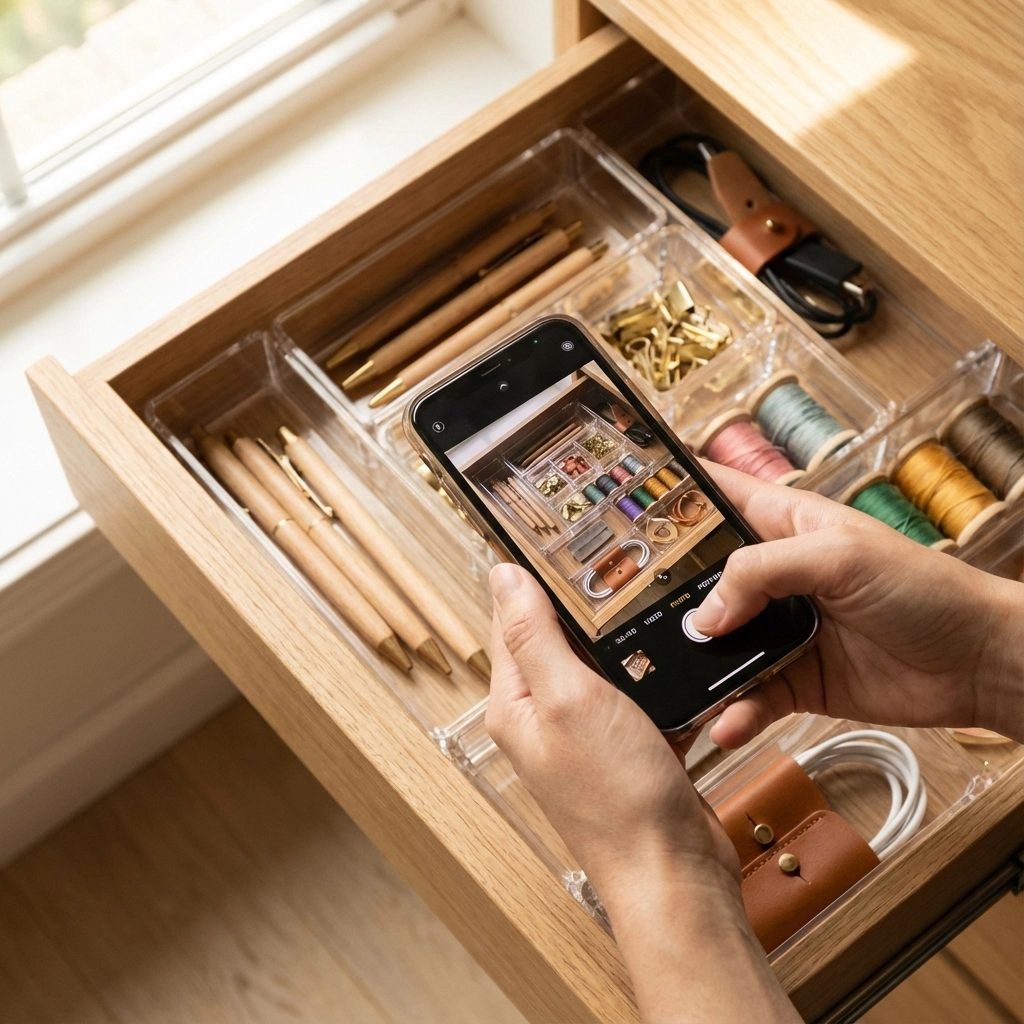
Instead of staring at that pile of clothes for 20 minutes wondering what to do, you can snap a photo and get instant, personalized guidance. The AI considers factors like condition, frequency of use, and your personal style to suggest whether to keep, donate, or toss each item.
Think of it as having a friend who’s great at organizing helping you make decisions – except this friend is available 24/7 and never gets tired of your “but what about this sweater” questions.
Learn more about how our AI can help break through your decision paralysis.
Your Next Steps: From Paralyzed to Progress
Decision paralysis doesn’t have to be a permanent roadblock. The key is starting small, being strategic about your energy, and having systems in place that make decisions easier, not harder.
Remember: the goal isn’t perfection – it’s progress. Every single item you successfully remove from your space is a win. Every drawer you clear out is momentum building toward the organized home you want.
Ready to test these strategies? Pick one small area in your home right now – maybe that junk drawer in your kitchen or the pile of papers on your desk. Set a timer for 15 minutes, grab three boxes (keep, donate, trash), and apply the predetermined questions we covered.
You’ve got this. Your overwhelmed, decision-paralyzed self might not believe it yet, but your organized future self is already cheering you on.
At DeclutterNow, we’re all about using those small victories to build unstoppable momentum for your entire home. Let’s turn overwhelm into action, together.